
Shop
-
![PufendorfReligion 9780865973718 800h 72]()
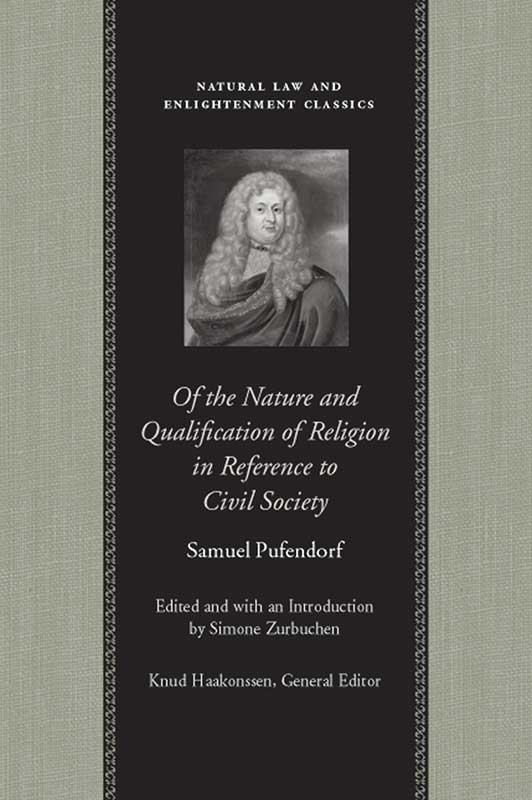
Of the Nature and Qualification of Religion in Reference to Civil Society
by Samuel Pufendorf
/ Learn MoreSamuel Pufendorf’s Of the Nature and Qualification of Religion (published in Latin in 1687) is a major work on the separation of politics and religion. Written in response to the revocation of the Edict of Nantes by the French king Louis XIV, Pufendorf contests the right of the sovereign to control the religion of his subjects, because state and religion…
-
![MisesOmnipotent 9780865977549 800h 72 2]()
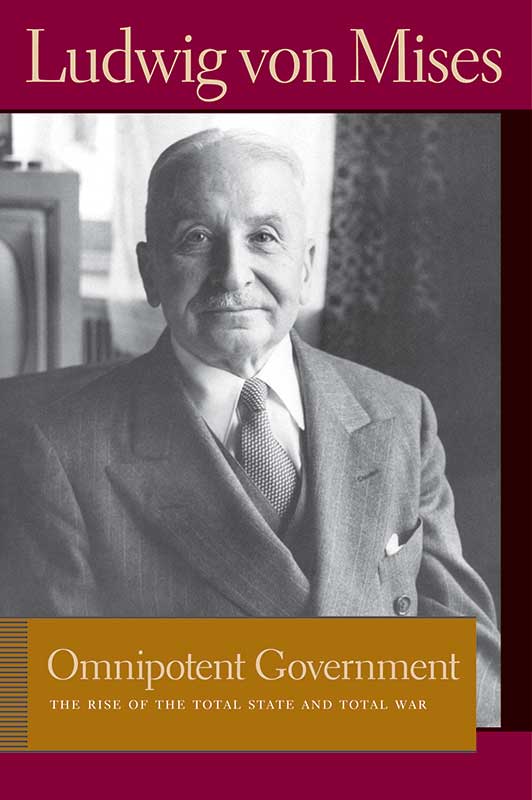
Omnipotent Government
by Ludwig von Mises
/ Learn MorePublished in 1944, during World War II, Omnipotent Government was Mises’s first book written and published after he arrived in the United States. In this volume Mises provides in economic terms an explanation of the international conflicts that caused both world wars. Although written more than half a century ago, Mises’s main theme still stands: government interference in the economy…
-
![Necker ExecutivePower 9780865979147]()
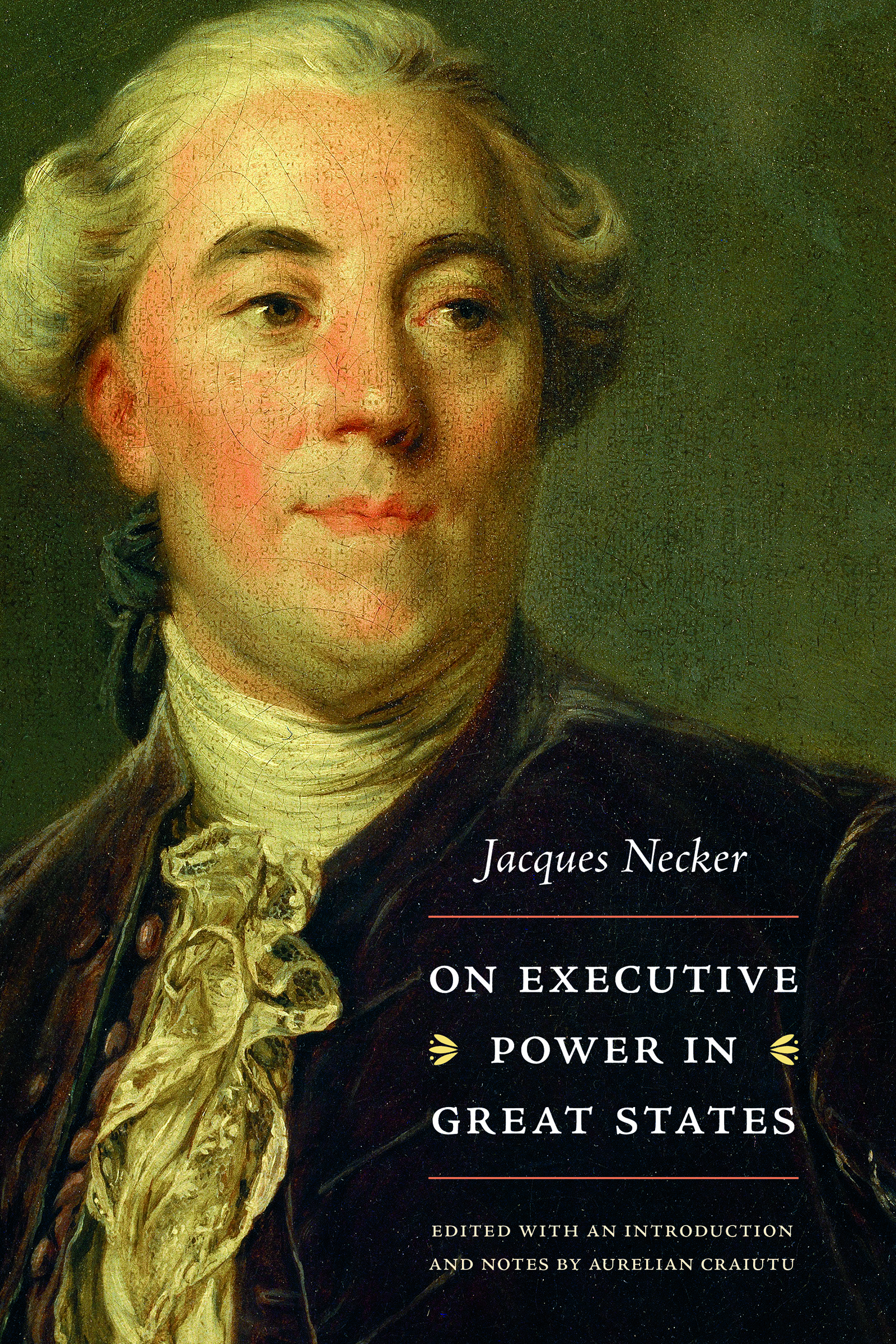
On Executive Power in Great States
by Jacques Necker
/ Learn MoreJacques Necker (1732–1804) was a Swiss statesman and financier who played a crucial role in French political life from 1776 to 1789. Born in Geneva, he was a devout Protestant who amassed considerable wealth as a successful banker. In October 1776, he was appointed as director of the Royal Treasury and, later, in June 1777, as director general of finances…
-
![OakeshottOnHistory 9780865972674 800h 72 2]()
On History and Other Essays
by Michael Oakeshott
/ Learn MoreIn five essays, including three on historiography, one of the greatest minds in English political thought in the twentieth century explores themes central to the human experience: the nature of history, the rule of law, and the quest for power that is intrinsic to the human condition. Michael Oakeshott believed, as Timothy Fuller observes, that “the historian’s effort to understand…
-
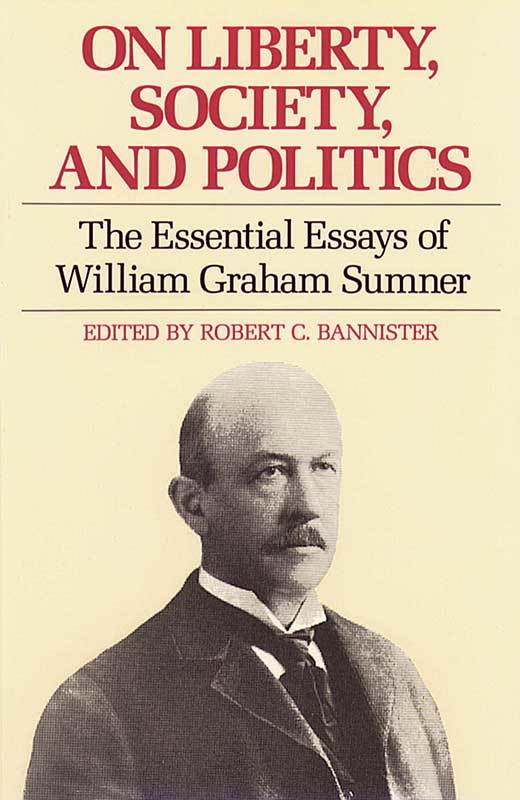
![Sumner 9780865971011 800h 72 2]()
On Liberty, Society, and Politics
by William Graham Sumner
/ Learn MoreWilliam Graham Sumner is the “forgotten man” of American intellectual history. Too often dismissed or only superficially understood, his interpretations are now attracting closer scrutiny and appreciation. He is remembered chiefly as one of the founding fathers of sociology. Sumner’s analysis of the relation between the individual and society is deeper and more sophisticated than is commonly thought. For students…
-
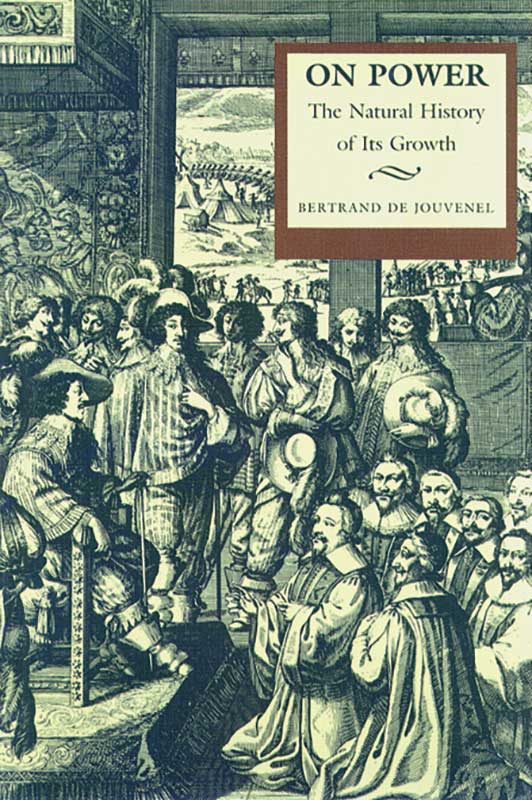
![JouvenelOnPower 9780865971134 800h 72]()
On Power
by Bertrand de Jouvenel
/ Learn MoreDocumenting the process by which government and controlling majorities have grown increasingly powerful and tyrannical, Bertrand de Jouvenel demonstrates how democracies have failed to limit the powers of government. Jouvenel traces this development to the days of royal absolutism, which established large administrative bureaucracies and thus laid the foundation of the modern omnipotent state. Bertrand de Jouvenel was an author…
-
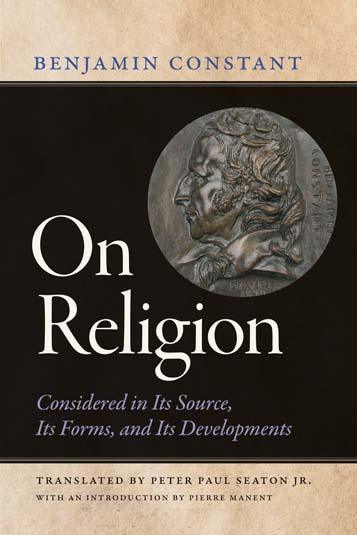
![ConstantOnReligion 9780865978966 800h]()
On Religion
by Benjamin Constant
/ Learn MoreThis is the first full-length English translation of Benjamin Constant’s massive study of humanity’s religious forms and development, published in five volumes between 1824 and 1831. Constant (1767–1830) regarded On Religion, worked on over the course of many years, as perhaps his most important philosophical work. He called it “the only interest, the only consolation of my life,” and “the…
-
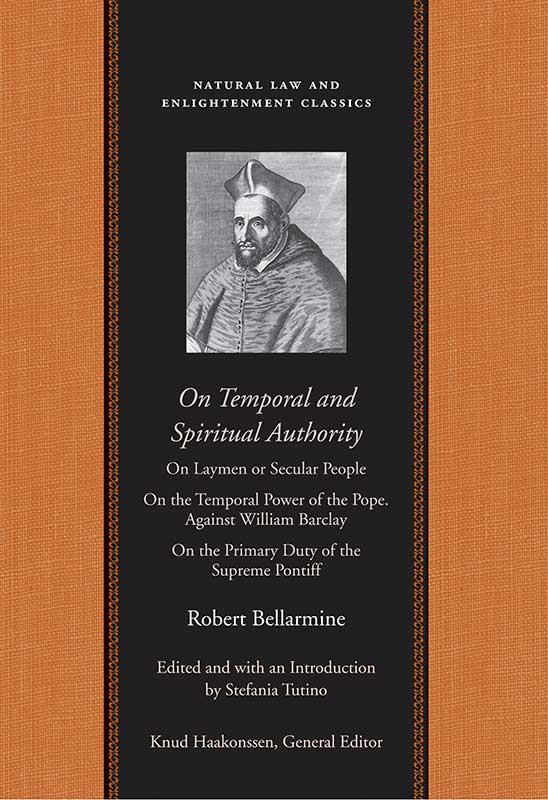
![Bellarmine 9780865977174 800h 72]()
On Temporal and Spiritual Authority
by Robert Bellarmine
/ Learn MoreRobert Bellarmine was one of the most original and influential political theorists of his time. His writings present coherent definitions of the nature and aim of temporal authority and its relationship to spiritual authority. This fresh translation will be interesting to a wide readership of both scholars of political thought and the educated general public. Robert Bellarmine (1542–1621) was a…
-
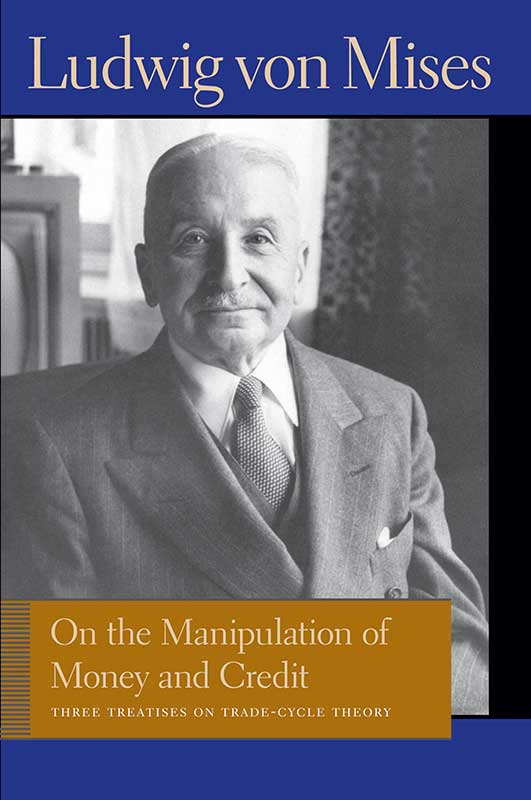
![MisesManipulation 9780865977624 800h 72]()
On the Manipulation of Money and Credit
by Ludwig von Mises
/ Learn MoreThe three treatises in On the Manipulation of Money and Credit were written in German between 1923 and 1931. Together they include some of Mises’s most important contributions to monetary and trade-cycle theories and constitute a precursor to Mises’s major work, Human Action. Ludwig von Mises (1881–1973) was the leading spokesman of the Austrian School of economics throughout most of…
-
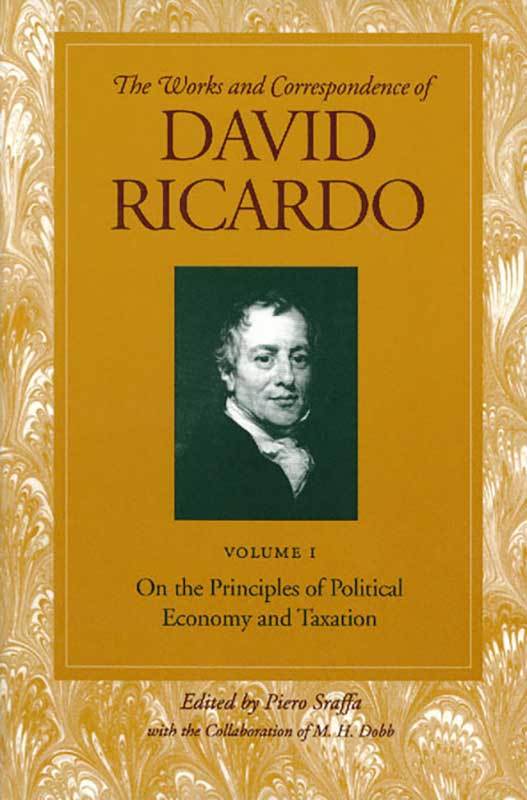
![RicardoV1Principles 9780865979659 800h 72 2]()
On the Principles of Political Economy and Taxation
by David Ricardo
/ Learn MoreOn the Principles of Political Economy and Taxation provides analysis of the allocation of money between capitalists, landowners, and agricultural workers in Britain. Through this analysis, Ricardo came to advocate free trade and oppose Britain’s restrictive “Corn laws.” Here are his classic commentaries on certain points of contention and divergence with the political economic writings of Adam Smith and T.
-
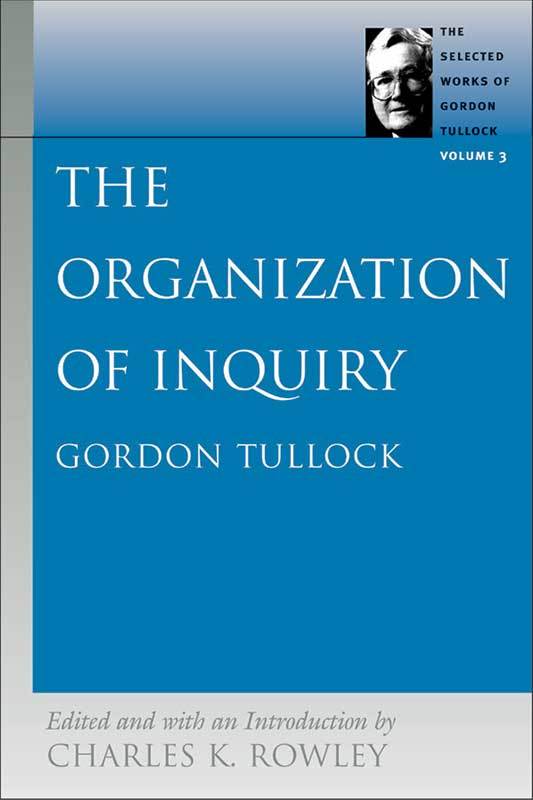
![TullockV3Organization 9780865975330 800h 72]()
The Organization of Inquiry
by Gordon Tullock
/ Learn MoreThe Organization of Inquiry, the third volume in Liberty Fund’s The Selected Works of Gordon Tullock, was originally published by Duke University Press in 1966. This is a treatise by one of the most stalwart practitioners of the scientific method in political economy—Gordon Tullock. Charles K. Rowley, Duncan Black Professor of Economics at George Mason University, writes in his introduction…
-
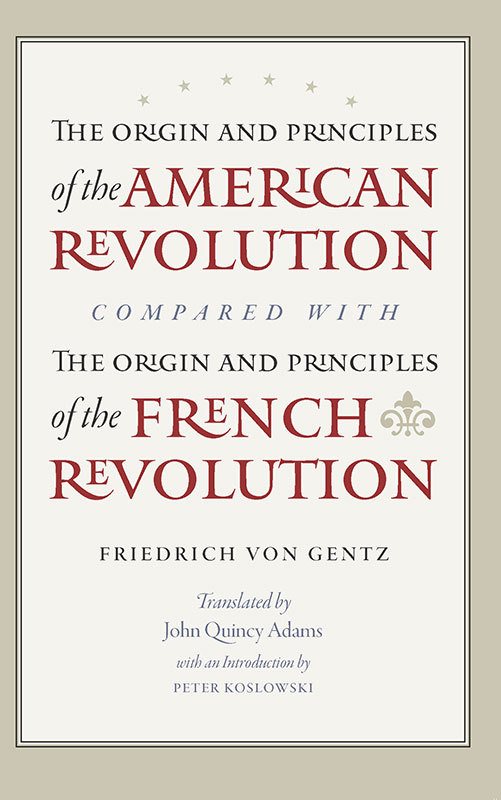
![GentzOrigin 9780865978201 800h 72 2]()
The Origin and Principles of the American Revolution, Compared with the Origin and Principles of the French Revolution
by Friedrich Gentz
/ Learn MoreThe Origin and Principles of the American Revolution is perhaps one of the most important books written on the American Revolution by a European author. It is an original study of the subject by a conservative, objective German observer who acknowledges the legitimacy of the American Revolution, but also asserts at the same time that it was not a revolution…
Promotions
Stayed tuned for future promotions!