
For Students
-
![PeguyTemporal 9780865973220 800h 72]()
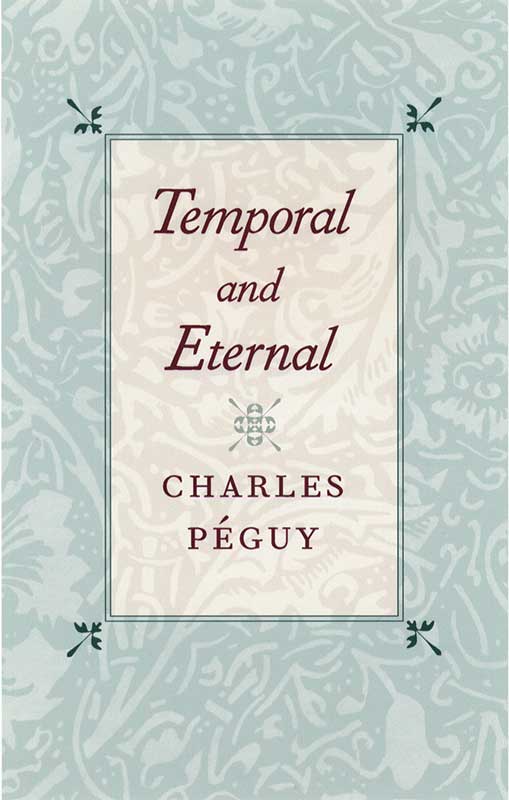
Temporal and Eternal
by Charles Péguy
/ Learn MoreTemporal and Eternal is a profound and poetic assessment of the relationship between tradition and liberty, between politics and society, and between Christianity and the modern world. This edition includes a new foreword by Pierre Manent, Professor of Political Science at the Centre de Recherches Politiques Raymond Aron in Paris. As the twenty-first century begins, the relationships this book explores…
-
![MisesTheoryHist 9780865975699 800h 72]()
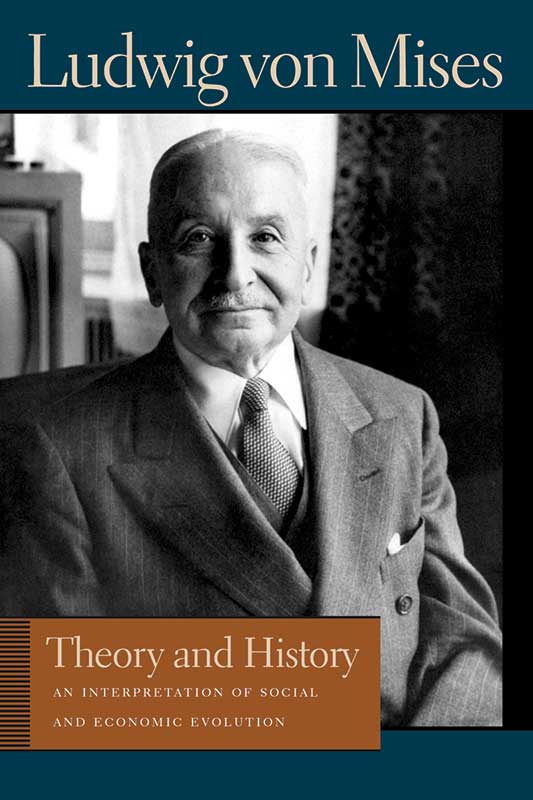
Theory and History
by Ludwig von Mises
/ Learn MoreTheory and History is primarily a critique of Karl Marx, his materialism, and his prediction of the inevitability of socialism. Marx attributes the creation of tools and machines, as well as the economic structure of society, to undefined “material productive forces.” Mises rejects this materialistic view; he points out that tools and machines are actually created by individuals acting on…
-
![MisesTheoryMoney 9780913966716 800h 72]()
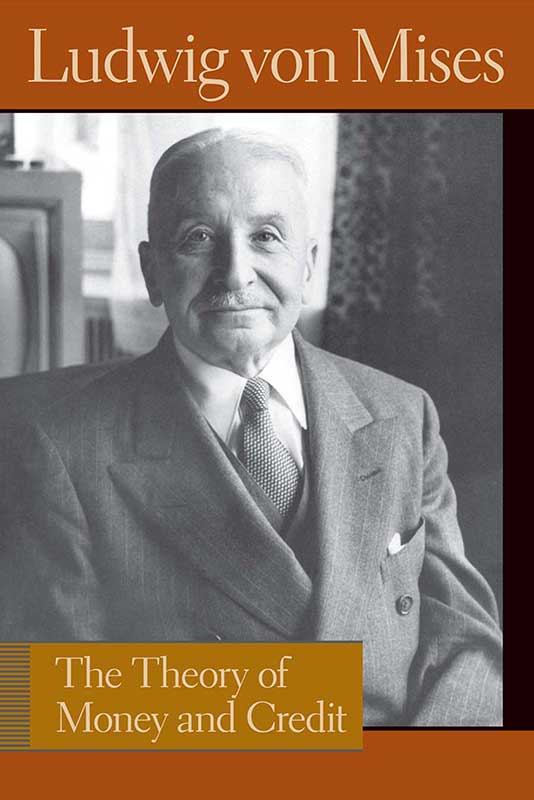
The Theory of Money and Credit
by Ludwig von Mises
/ Learn MoreThe Theory of Money and Credit integrated monetary theory into the main body of economic analysis for the first time, providing fresh, new insights into the nature of money and its role in the economy and bringing Mises into the front rank of European economists. The Theory of Money and Credit also presented a new monetary theory of the trade…
-
![SmithATheoryMoral 9780865970120 800h 72 2]()
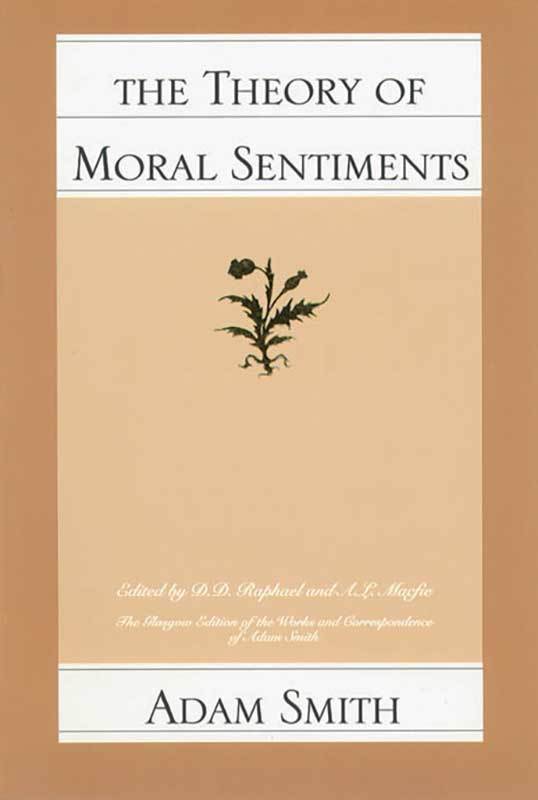
The Theory of Moral Sentiments
by Adam Smith
/ Learn MoreThe Theory of Moral Sentiments, Smith’s first and in his own mind most important work, outlines his view of proper conduct and the institutions and sentiments that make men virtuous. Here he develops his doctrine of the impartial spectator, whose hypothetical disinterested judgment we must use to distinguish right from wrong in any given situation. We by nature pursue our…
-
![MorrisSecure 9780865978355 800h 72]()
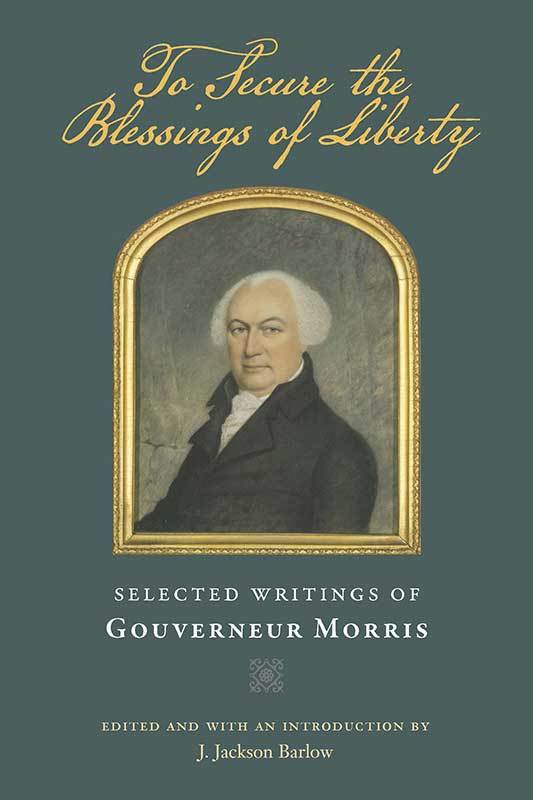
To Secure the Blessings of Liberty
by Gouverneur Morris
/ Learn MoreLiberty Fund is pleased to present this single-volume collection of Gouverneur Morris’s writings. This edition will be a welcome addition to scholars of American and French history as the volume contains many writings that have never before been published. Morris served as Deputy Superintendent of Finance during the American Revolution, in which capacity he devised the system of decimal coinage.
-
![HendersonVoyages 9780865978706 800h 72 2]()
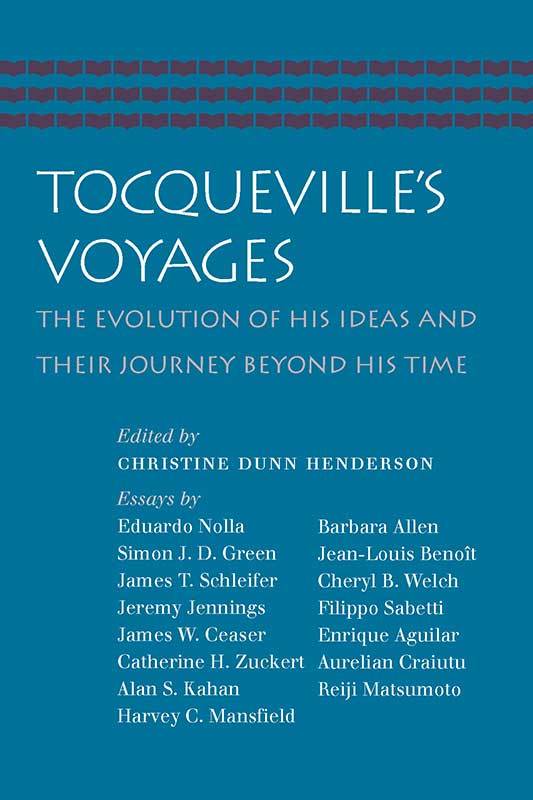
Tocqueville’s Voyages
by Christine Dunn Henderson
/ Learn MoreTocqueville’s Voyages is a collection of newly written essays by some of the most well-known Tocquevillian scholars today. The essays in the first part of the volume explore the development of Tocqueville’s thought, his intellectual voyage, during his trip to America and while writing Democracy in America. The second part of the book focuses on the dissemination of Tocqueville’s ideas…
-
![Cumberland 9780865974739 800h 72]()
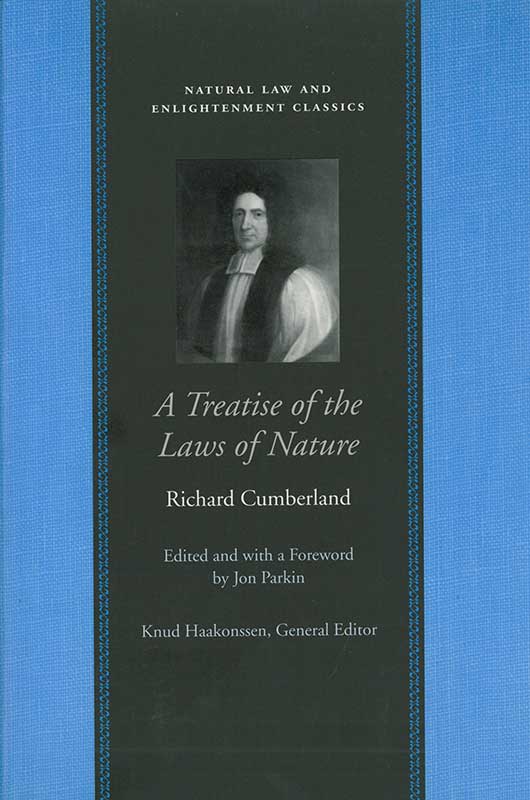
A Treatise of the Laws of Nature
by Richard Cumberland
/ Learn MoreA Treatise of the Laws of Nature, originally titled De Legibus Naturae, first appeared in 1672 as a theoretical response to a range of issues that came together during the late 1660s. It conveyed a conviction that science might offer a more effective means of demonstrating both the contents and the obligatory force of the law of nature. Jon Parkin…
-
![DestuttTreatise 9780865978133 800h 72]()
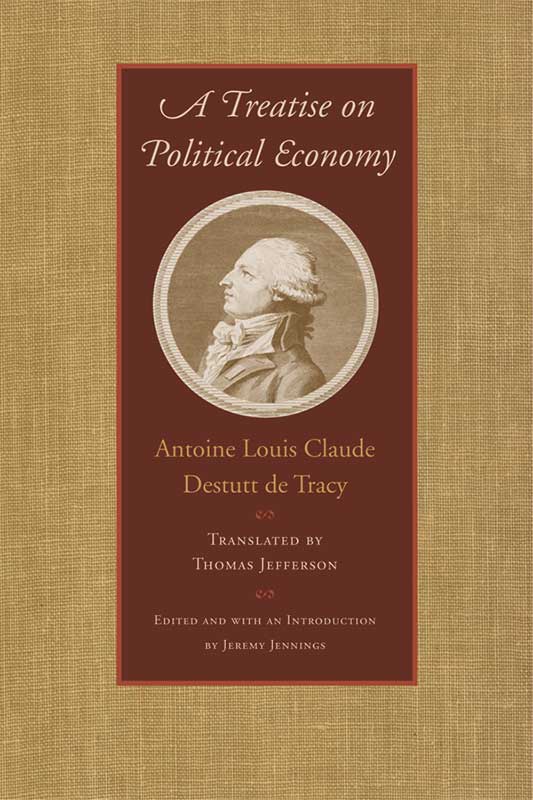
A Treatise on Political Economy
by Antoine Louis Claude Destutt de Tracy
/ Learn MoreA Treatise on Political Economy by Antoine Louis Claude Destutt de Tracy (1754–1836) is a foundational text of nineteenth-century, free-market economic thought and remains one of the classics of nineteenth-century French economic liberalism. Destutt de Tracy was one of the founders of the classical liberal republican group known as the Idéologues, which included Jean-Baptiste Say, Marquis de Condorcet, and Pierre…
-
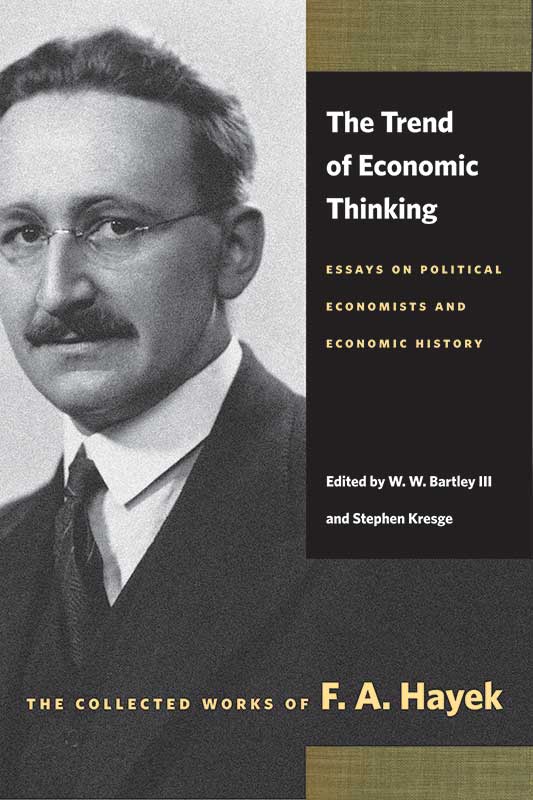
![HayekTrend 9780865977426 800h 72 2]()
The Trend of Economic Thinking
by F. A. Hayek
/ Learn MoreIn The Trend of Economic Thinking Hayek presents many of the figures that influenced the development of his economic thought. The articles range from well-known economists such as Mandeville, Hume, Smith, and Bastiat, to lesser-known figures such as Dupuit and Gossen, showing the breadth of Hayek’s study of the history of economic thought. F. A. Hayek (1899–1992), recipient of the…
-
![NisbetTwilight 9780865972124 800h 72 2]()
Twilight of Authority
by Robert Nisbet
/ Learn More“We had thought, or our forefathers had, that modern liberal democracy would be spared the kind of erosion and decay that both Plato and Aristotle declared endemic in all forms of state. Now we are not so sure.” So wrote Robert Nisbet in the first edition of Twilight of Authority, published by Oxford University Press in 1975. “The centralization and,…
-
![PufendorfTwoBooks 9780865976207 800h 72]()
Two Books of the Elements of Universal Jurisprudence
by Samuel Pufendorf
/ Learn MoreTwo Books of the Elements of Universal Jurisprudence was Pufendorf’s first work, published in 1660. Its appearance effectively inaugurated the modern natural-law movement in the German-speaking world, establishing Pufendorf as a key figure and laying the foundations for his later major works. Samuel Pufendorf (1632–1694) taught natural law and was court historian in both Germany and Sweden. Thomas Behme is…
-
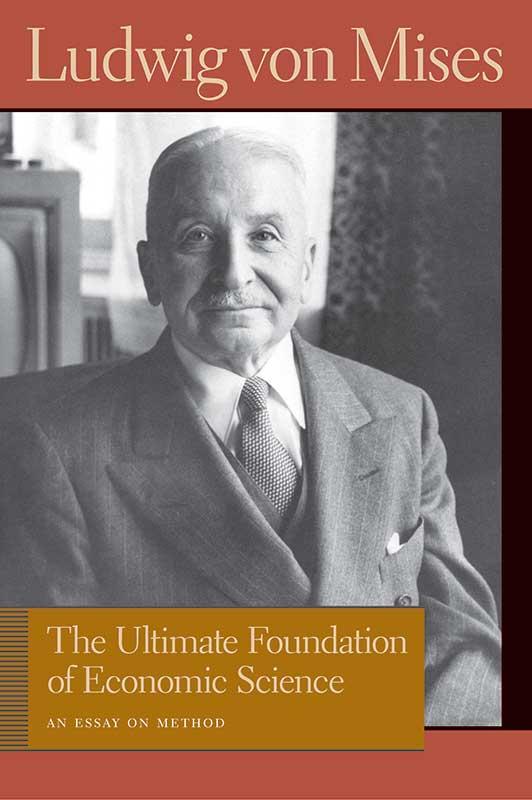
![MisesEssayMethod 9780865976399 800h 72]()
The Ultimate Foundation of Economic Science
by Ludwig von Mises
/ Learn MoreIn this volume, Mises argued that economics is a science because human action is a natural order of life and that it is the actions of humans that determine markets and capital decisions. Since Mises believed these links could be proven scientifically, he concluded that economics, with its basis on that human action, is indeed a science in its own…

Promotions
Stayed tuned for future promotions!