
FREE
-
![Humphreys 9780865972636 800h 72]()
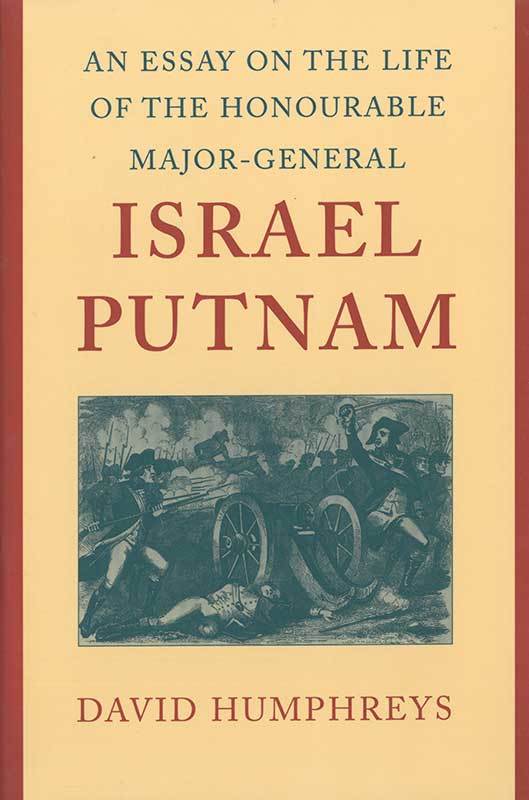
An Essay on the Life of the Honourable Major-General Israel Putnam
by David Humphreys
/ Learn MoreDavid Humphreys was aide-de-camp to Washington during the American Revolution. His Life of Israel Putnam, originally published in 1788, has rightly been described as “the first biography of an American written by an American.” It is, as William C. Dowling observes, “a classic of revolutionary writing, very readable and immensely interesting in what it says about the temper of the…
-
![LincolnEssays 9780865978027 800h 72 2]()
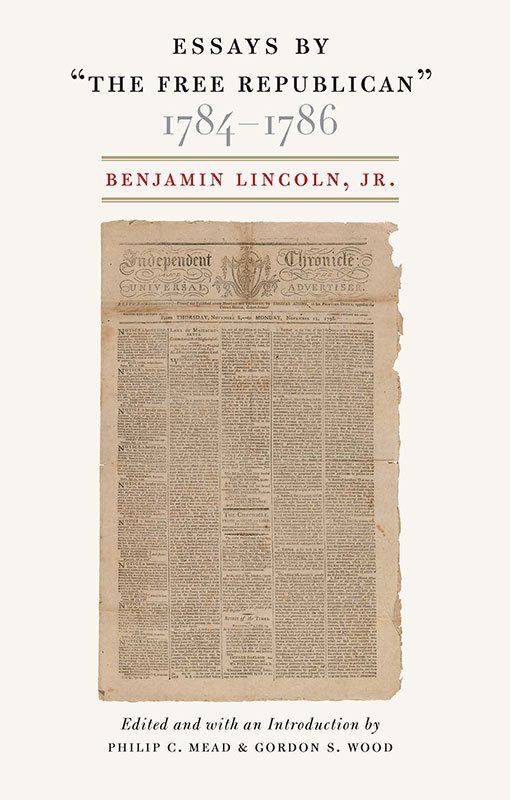
Essays by “The Free Republican,” 1784-1786
by Benjamin Lincoln, Jr.
/ Learn MoreThis is the first modern publication of ten essays published in the popular Boston newspaper The Independent Chronicle, a significant intellectual event in Massachusetts politics. The essays deal primarily with the problem of mixed government in a republic. Lincoln writes, “Two distinct and different orders of men seems incident to every society,” and these “two contending interests,” fed by a…
-
![ThomasiusEssays 9780865974999 800h 72]()
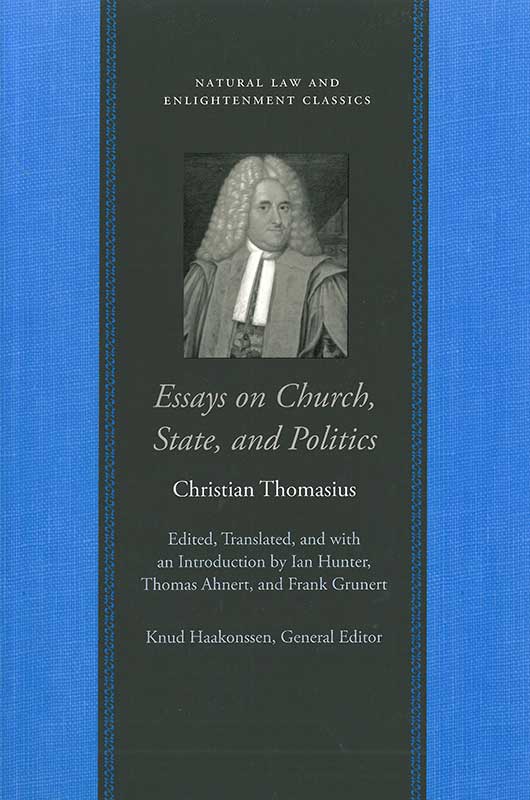
Essays on Church, State, and Politics
by Christian Thomasius
/ Learn MoreThe works found in Essays on Church, State, and Politics, which originated as disputations, theses, and pamphlets, were direct interventions in the unresolved issue of the political role of religion in Brandenburg-Prussia, a state in which a Calvinist dynasty ruled over a largely Lutheran population and nobility as well as a significant Catholic minority. Christian Thomasius (1655–1728) was a German…
-
![Kirzner8 9780865978669 800h]()
The Essence of Entrepreneurship and the Nature and Significance of Market Process
by Israel M. Kirzner
/ Learn MoreThe Essence of Entrepreneurship and the Nature and Significance of Market Process is a continuation of the discourse started in Kirzner’s earlier work, Competition and Entrepreneurship, expanding upon his ideas about entrepreneurship and entrepreneurial alertness. Essence presents most of the detailed research Kirzner has done on the nature of entrepreneurship and the entrepreneurial process in the decades following the publication…
-
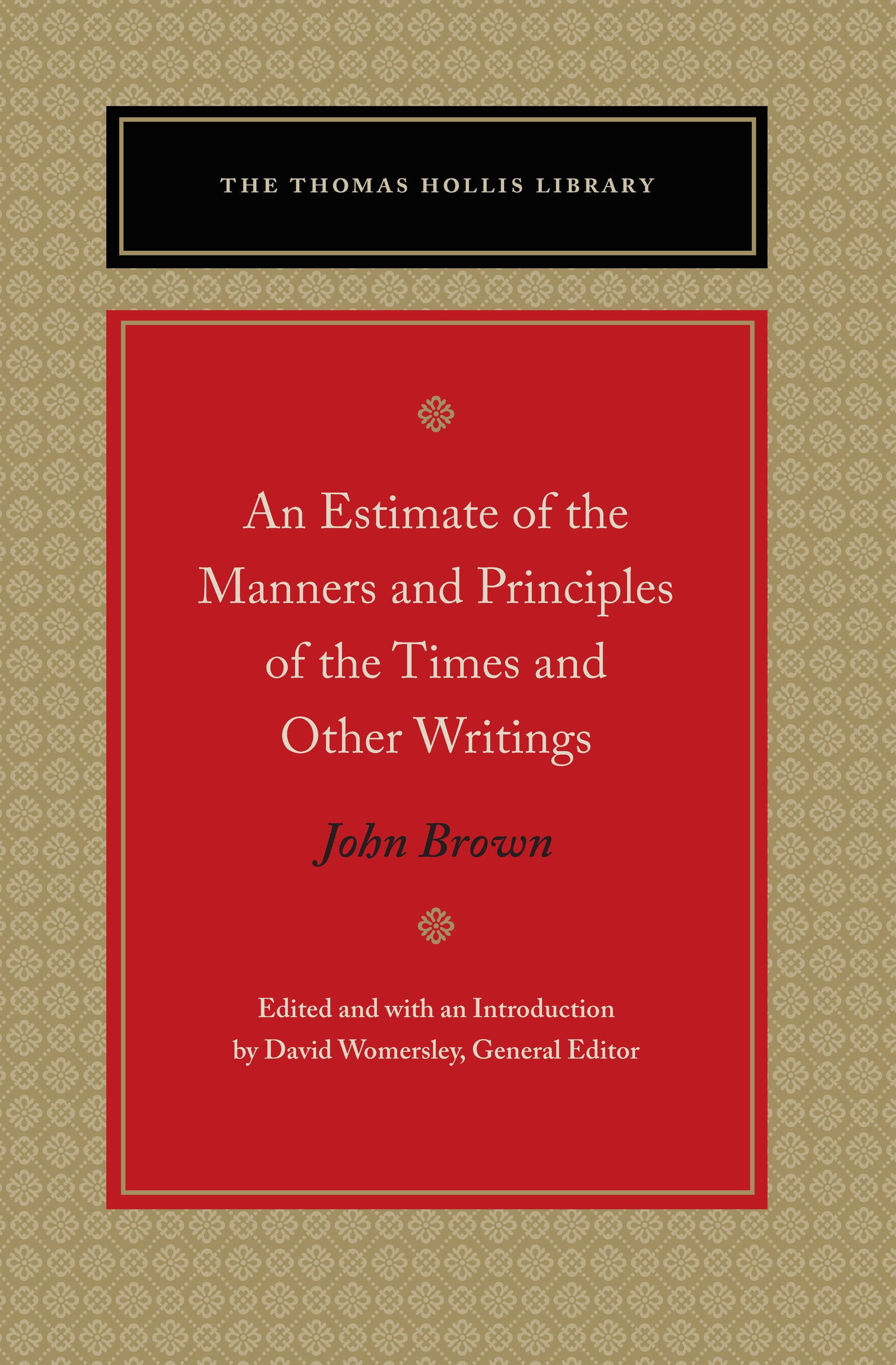
![Brown 9780865979109 800h]()
An Estimate of the Manners and Principles of the Times and Other Writings
by John Brown
/ Learn MoreJohn Brown (1715–1766) was a clergyman who achieved great but transient fame as a writer and moralist. His attack on Shaftesbury and “moral sense” philosophy, against which he employed utilitarian arguments and also arguments deriving from God’s benevolent intentions toward his creation, was published in 1751 and was later praised by John Stuart Mill. The central text of this volume,…
-
![Nedham 9780865978096 800h 72]()
The Excellencie of a Free-State
by Marchamont Nedham
/ Learn MoreThis edition brings back into print, after two and a half centuries, the pioneering work of English republicanism, Marchamont Nedham’s The Excellencie of a Free-State, which was written in the wake of the execution of King Charles I. First published in 1656, and compiled from previously written editorials in the parliamentarian newsbook Mercurius Politicus, The Excellencie of a Free-State addressed…
-
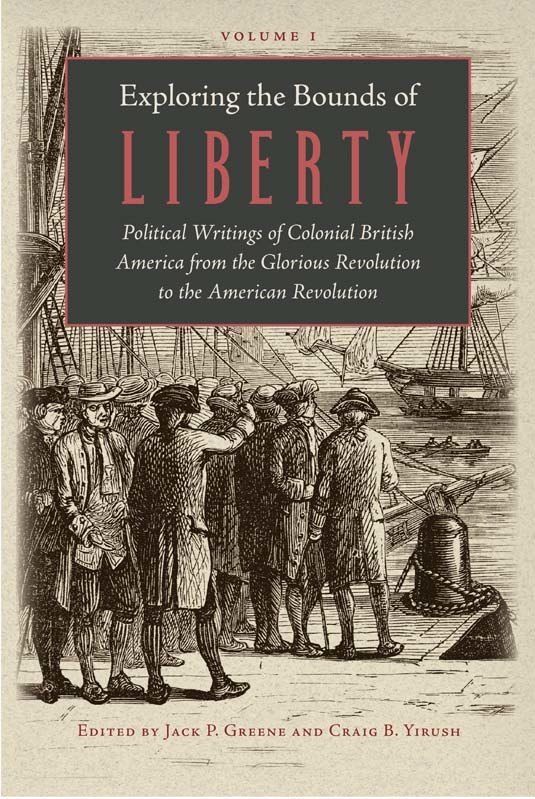
![Greene3vol 9780865978997 800h 2]()
Exploring the Bounds of Liberty
by Jack P. Greene and Craig B. Yirush
/ Learn MoreExploring the Bounds of Liberty presents a rich and extensive selection of the political literature produced in and about colonial British America during the century before the American Revolution. Most colonial political pamphlets and broadsides were printed in London, but even in the mid-seventeenth century some writings were published in New England, which then had the only printing presses in…
-
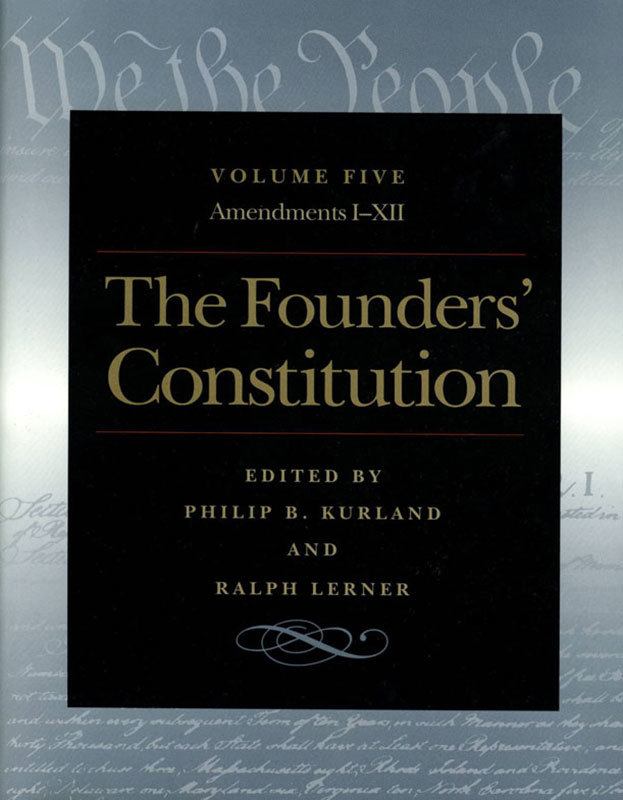
![KurlandV5 9780865973060 800h 72 2]()
The Founders’ Constitution – Vol 5
by Philip B. Kurland and Ralph Lerner
/ Learn MoreThe documentary sources and inspirations of The Founders’ Constitution reach to the early seventeenth century and extend through those Amendments to the Constitution that were adopted by 1835. In cooperation with the University of Chicago Press, Liberty Fund has prepared a new online edition of the entire work at: http://press-pubs.uchicago.edu/founders/ Philip B. Kurland was the William R. Kenan, Jr.,…
-
![SeldonV5Government 9780865975545 800h 72]()
Government Failure and Over-Government
by Arthur Seldon
/ Learn MoreIn the fifth volume of The Collected Works of Arthur Seldon, Arthur Seldon uses public choice economics research to support his theory of over-government. The term “over-government” was coined by Seldon and is defined as the failure of governments to govern well, leading the public to avoid government programs in favor of markets. Seldon explains how the results of government…
-
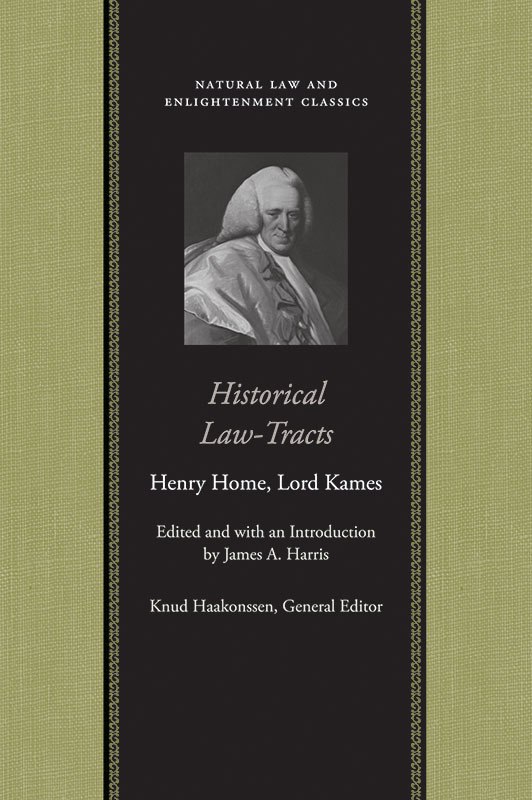
![Kames HistoricalLawTracts 9780865976177 800h]()
Historical Law-Tracts
by Henry Home, Lord Kames
/ Learn MoreHistorical Law-Tracts is one of the earliest contributions to the Scottish Enlightenment project of a historical science of society. Henry Home, Lord Kames (1696–1782), was an influential Scottish judge, a prolific man of letters, and one of the leading figures of the Enlightenment in Scotland, and his goal in this work is to show the study of law as a…
-
![MaitlandHistoricalSketch 9780865972933 800h 72]()
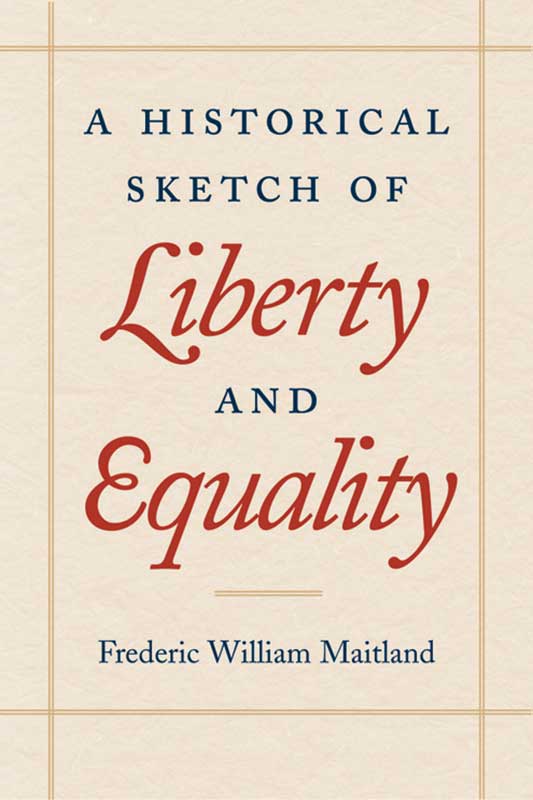
A Historical Sketch of Liberty and Equality
by Frederic William Maitland
/ Learn MoreA Historical Sketch of Liberty and Equality is a window to one of the most important historians of all time. This exclusive Liberty Fund edition of F. W. Maitland’s classic includes a note on Maitland by Charles Haskins, and a general account of Maitland’s life and work, “The Historical Spirit Incarnate: Frederic William Maitland,” by Robert Schuyler. A historian’s historian,…
-
![MillarHistoricalView 9780865974456 800h 72]()
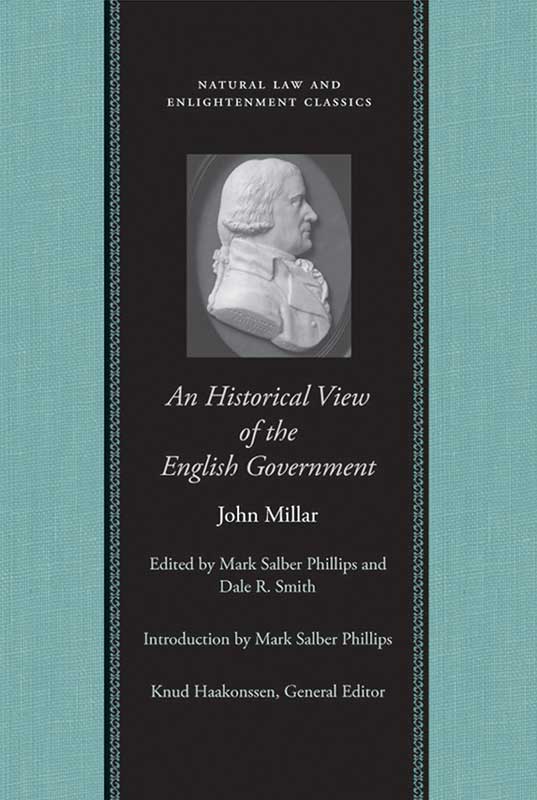
An Historical View of the English Government
by John Millar
/ Learn MoreAn Historical View of the English Government traces the development of the “great outlines of the English constitution”—the history of institutions of English liberty from Saxon antiquity to the revolution settlement of 1689. Millar demonstrates serious concern for the maintenance of liberties achieved through revolution and maintains that the manners of a commercial nation, while particularly suited to personal and…


Promotions
Stayed tuned for future promotions!