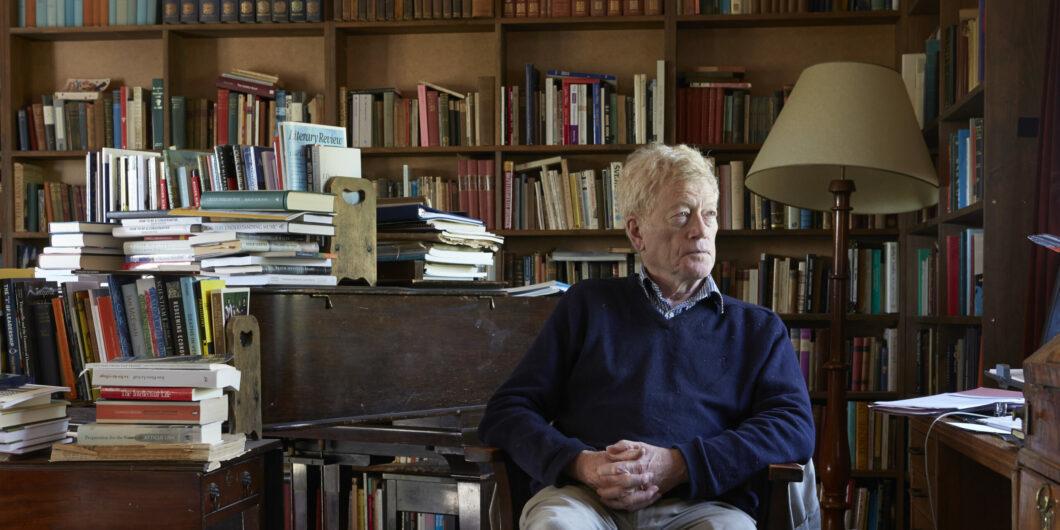
Against the Profanities of the Age
Roger Scruton wanted to restore the love of “existing things,” revivifying Burke’s primordial contract connecting the living, the dead, and the unborn.

Roger Scruton wanted to restore the love of “existing things,” revivifying Burke’s primordial contract connecting the living, the dead, and the unborn.
Beleaguered Christians may be tempted to enlist the state in their cause, but they don't need political influence to thrive.
Reagan attempts too much and misses the opportunity to prove the wisdom of “the Gipper.”
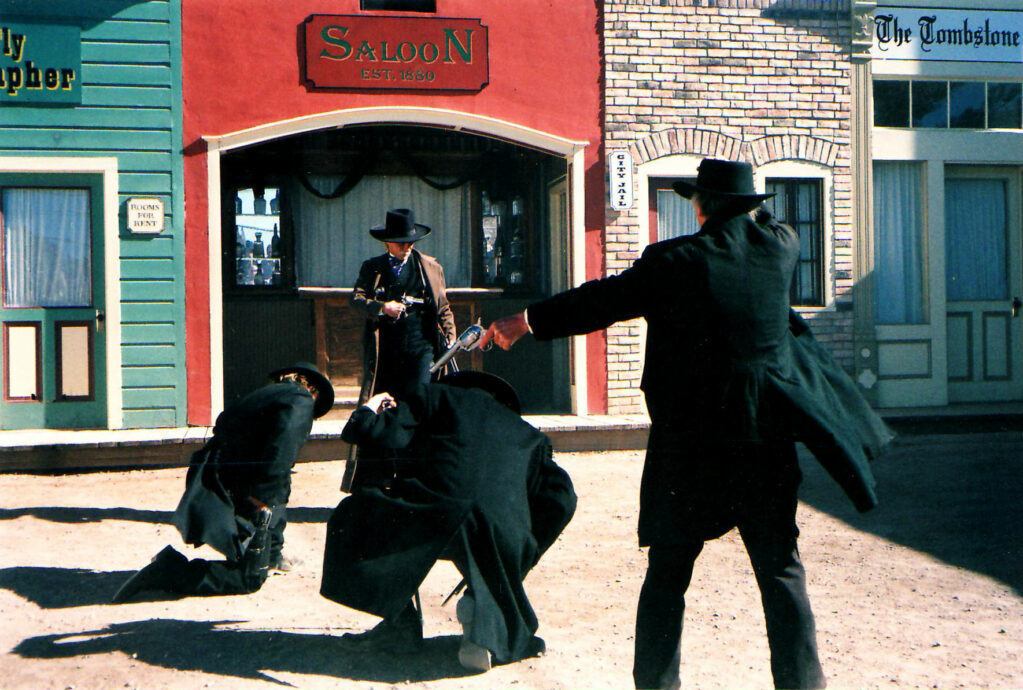
Netflix’s new docuseries ably recounts the Western legend of Wyatt Earp, but misses out on his wider significance to the idea of ordered liberty.
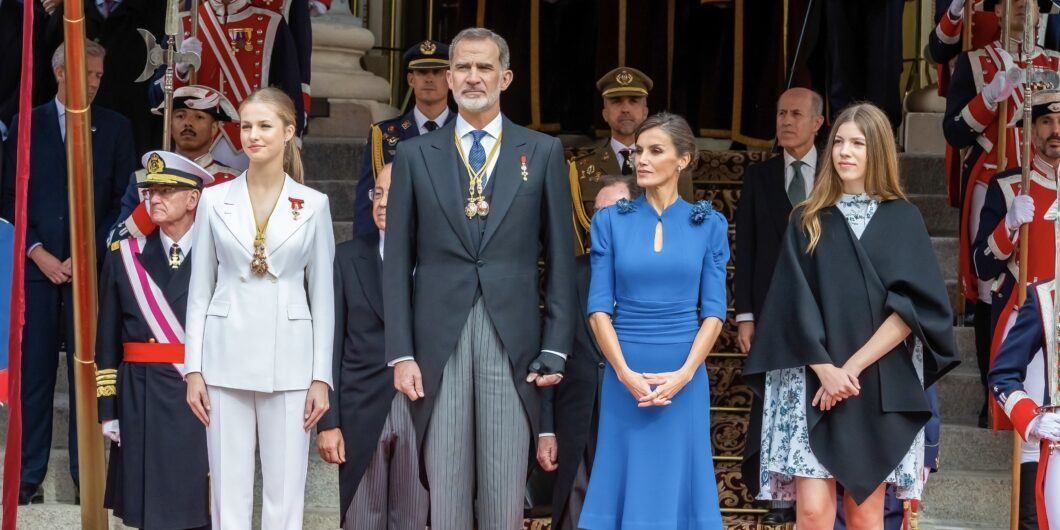
Even the harshest critics of monarchy, constitutional or otherwise, admit the institution has an inexplicable and curious persistence.
Like Ulysses, returned combat veterans often show a diminished capacity for social trust.
Although the American tradition is broadly liberal, it is best understood as divided between two schools: classical and managerial liberalism.
Civic reformers and education professionals are in a position to rise up and rebuild the study of our government’s foundations.
Freedom of religion will survive because it rests on a universal and immutable law.
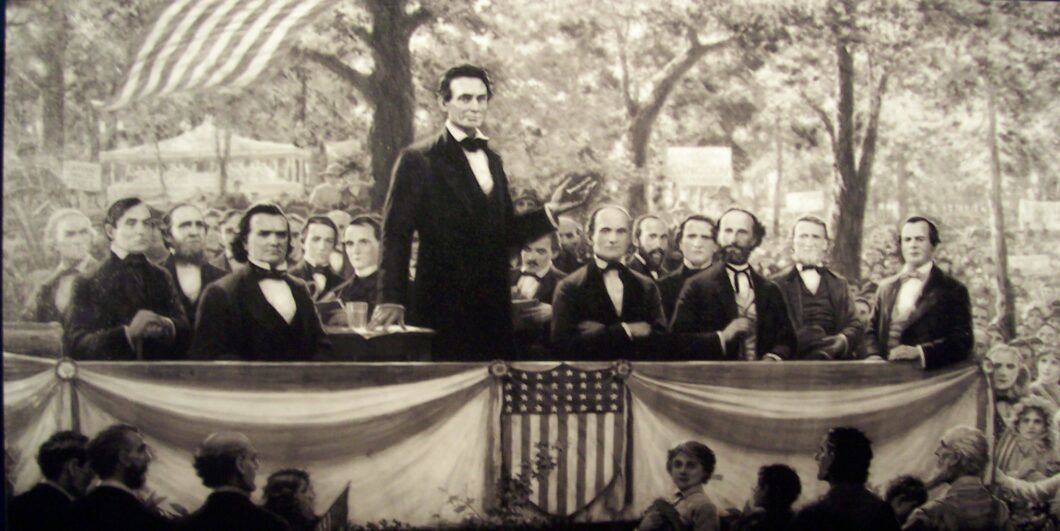
Edward McClelland’s new book sheds light on a much-maligned, if misguided, patriot, and provides lessons for overcoming today’s bitter political divisions.