
Shop
-
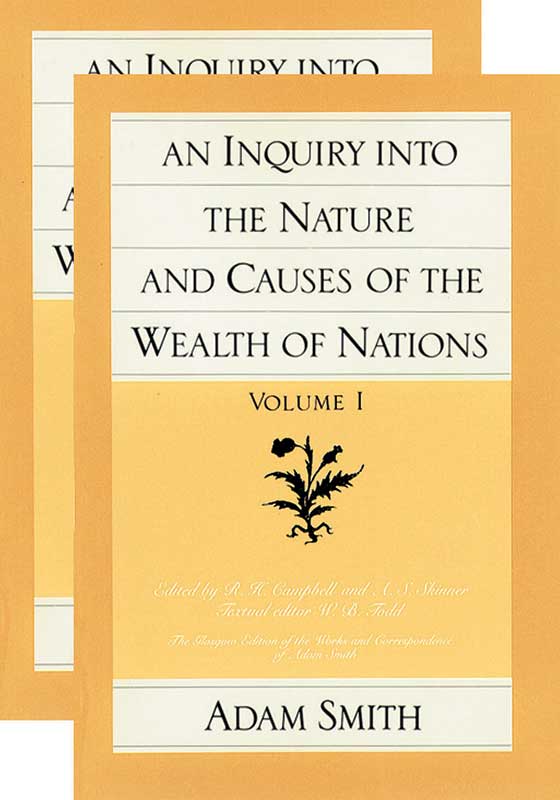
![SmithAWealth 9780865970083 800h 72 2]()
An Inquiry into the Nature and Causes of the Wealth of Nations (2-volume set)
by
/ Learn MoreFirst published in 1776, the year in which the American Revolution officially began, Smith’s Wealth of Nations sparked a revolution of its own. In it Smith analyzes the major elements of political economy, from market pricing and the division of labor to monetary, tax, trade, and other government policies that affect economic behavior. Throughout he offers seminal arguments for free…
-
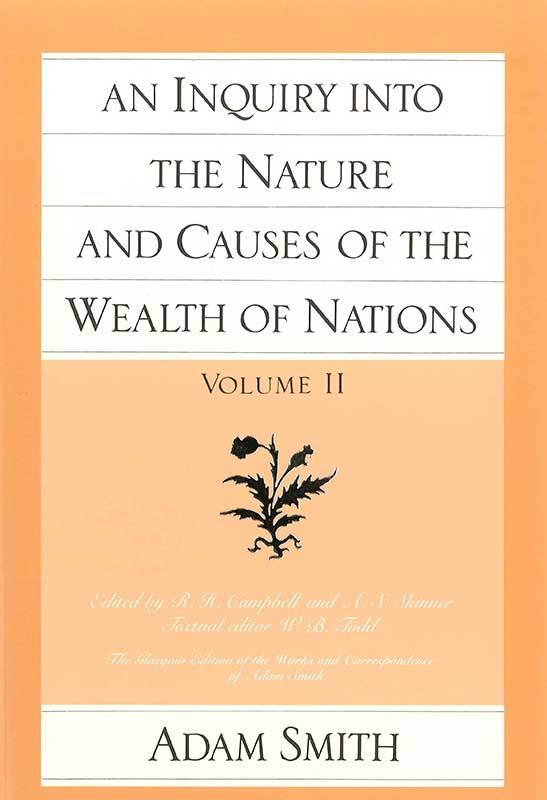
![Smith Wealth V2 9780865970076 800h 72 2]()
An Inquiry into the Nature and Causes of the Wealth of Nations (vol. 2)
by Adam Smith
/ Learn MoreFirst published in 1776, the year in which the American Revolution officially began, Smith’s Wealth of Nations sparked a revolution of its own. In it Smith analyzes the major elements of political economy, from market pricing and the division of labor to monetary, tax, trade, and other government policies that affect economic behavior. Throughout he offers seminal arguments for free…
-
![SmithAV1Wealth 9780865970069 800h 72 2]()
An Inquiry into the Nature and Causes of the Wealth of Nations (vol. 1)
by Adam Smith
/ Learn MoreFirst published in 1776, the year in which the American Revolution officially began, Smith’s Wealth of Nations sparked a revolution of its own. In it Smith analyzes the major elements of political economy, from market pricing and the division of labor to monetary, tax, trade, and other government policies that affect economic behavior. Throughout he offers seminal arguments for free…
-
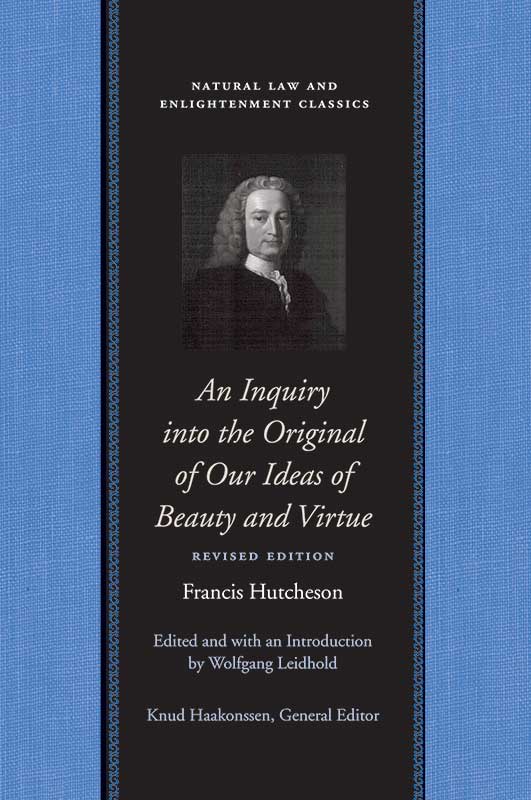
![HutchesonBeautyRevised 9780865977747 800h 72]()
An Inquiry into the Original of Our Ideas of Beauty and Virtue
by Francis Hutcheson
/ Learn MoreFrancis Hutcheson’s first book, An Inquiry into the Original of Our Ideas of Beauty and Virtue, was published in 1725, when its author was only thirty-one, and went through four editions during his lifetime. This seminal text of the Scottish Enlightenment is now available for the first time in a variorum edition based on the 1726 edition. The Inquiry was…
-
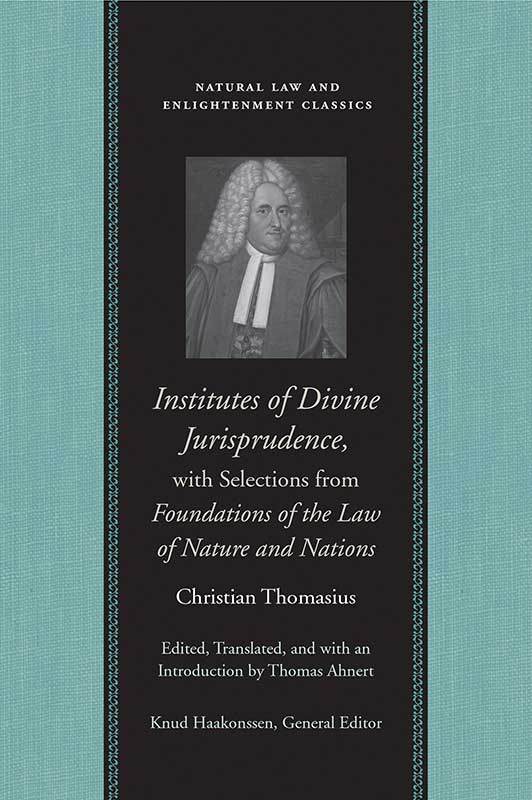
![ThomasiusInstitutes 9780865975194 800h 72]()
Institutes of Divine Jurisprudence, with Selections from Foundations of the Law of Nature and Nations
by Christian Thomasius
/ Learn MoreChristian Thomasius’s natural jurisprudence is essential to understanding the origins of the Enlightenment in Germany, where his importance was comparable to that of John Locke’s in England. First published in 1688, Thomasius’s Institutiones jurisprudentiae divinae (Institutes of Divine Jurisprudence) attempted to draw a clear distinction between natural and revealed law and to emphasize that human reason was able to know…
-
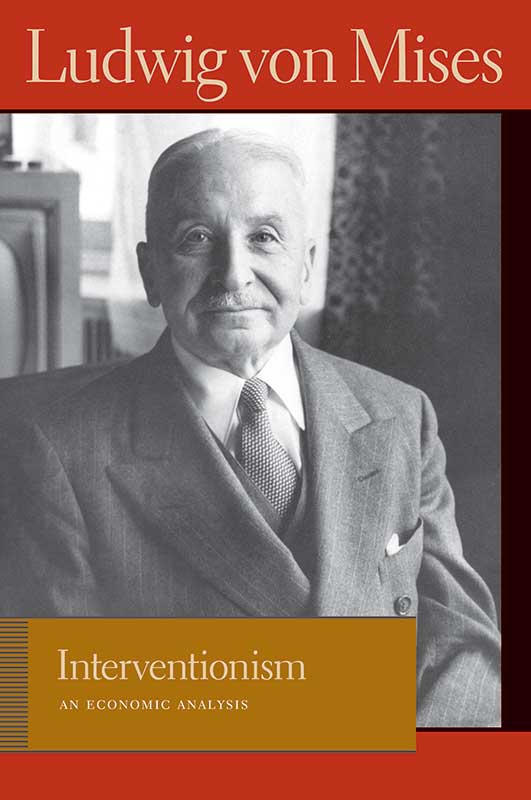
![MisesInterventionism 9780865977396 800h 72]()
Interventionism
by Ludwig von Mises
/ Learn MoreInterventionism provides Mises’s analysis of the problems of government interference in business from the Austrian School perspective. Written in 1940, before the United States was officially involved in World War II, this book offers a rare insight into the war economies of Hitler’s Germany and Mussolini’s Italy. Mises criticizes the pre–World War II democratic governments for favoring socialism and interventionism…
-
![SeldonV4MarketForces 9780865975538 800h 72]()
Introducing Market Forces into “Public” Services
by Arthur Seldon
/ Learn MoreIntroducing Market Forces into “Public” Services is the fourth volume in Liberty Fund’s The Collected Works of Arthur Seldon. It brings together six of Seldon’s most pivotal essays that discuss his alternative proposals for paying for “public” services rather than through coercive taxation. Specifically, Seldon focuses on the varied use of vouchers and the choices people have regarding purchasing or…
-
![PufendorfPrincipalKingdoms 9780865975132 800h 72]()
An Introduction to the History of the Principal Kingdoms and States of Europe
by Samuel Pufendorf
/ Learn MoreSamuel Pufendorf was a pivotal figure in the early German Enlightenment. His version of voluntarist natural law theory had a major influence both on the European continent and elsewhere in the English-speaking world, particularly Scotland and America. Pufendorf’s An Introduction to the History of the Principal Kingdoms and States of Europe (1682) became one of his most famous and widely…
-
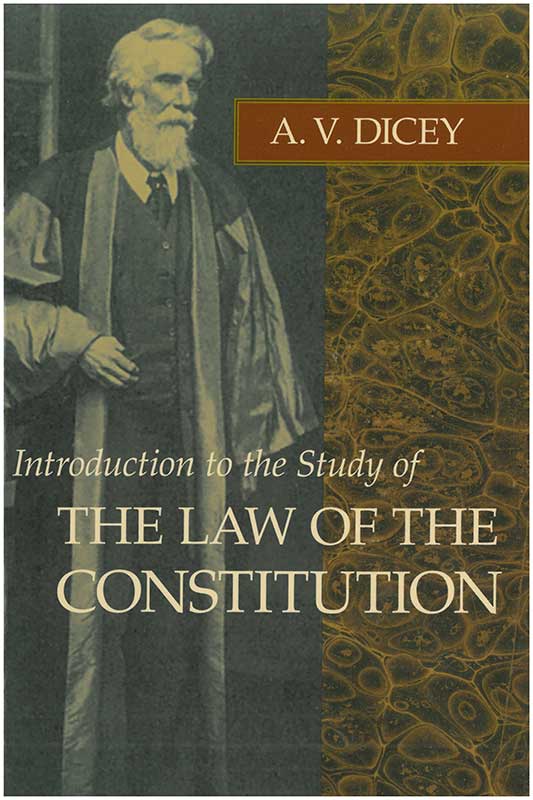
![DiceyLaw 9780865970038 800h 72 2]()
Introduction to the Study of the Law of the Constitution
by A. V. Dicey
/ Learn MoreThe Law of the Constitution elucidates the guiding principles of the modern constitution of England: the legislative sovereignty of Parliament, the rule of law, and the binding force of unwritten conventions. A. V. Dicey (1835–1922) was an English jurist, Vinerian Professor of English Law at Oxford University, and author of, among other works, The Law of the Constitution.
-
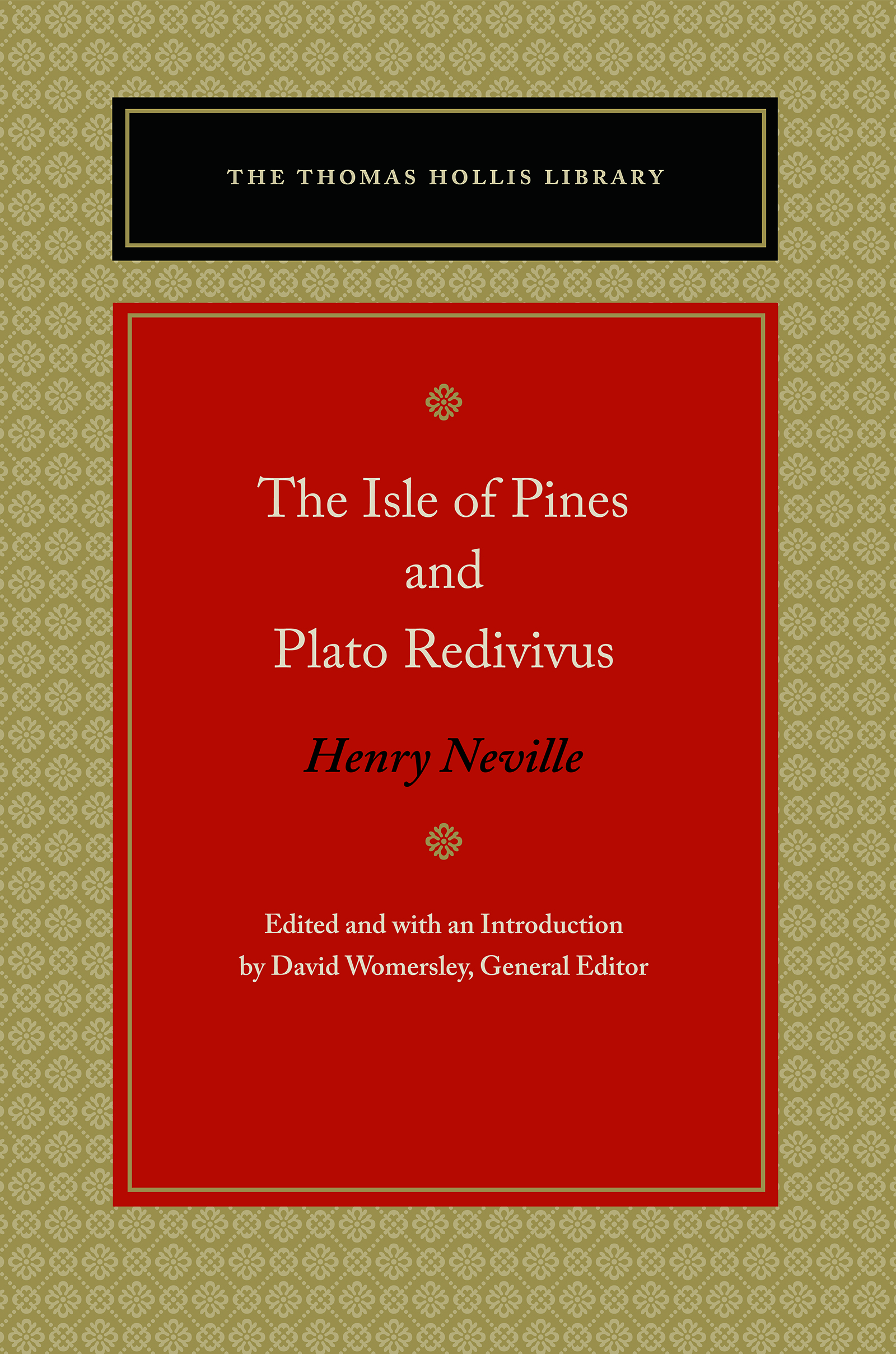
![Neville Isle 9780865979161]()
The Isle of Pines and Plato Redivivus
by Henry Neville
/ Learn MoreHenry Neville (1620–1694), writes David Womersley in his Introduction, was “an experienced political actor who united a practitioner’s sense of possibility with literary flair and imagination as he struggled to achieve headway for his republican commitments in the deceptive waters of late Stuart monarchy.” Educated at Oxford, Neville made an extended visit to Italy in 1643–44, where he formed long-standing…
-
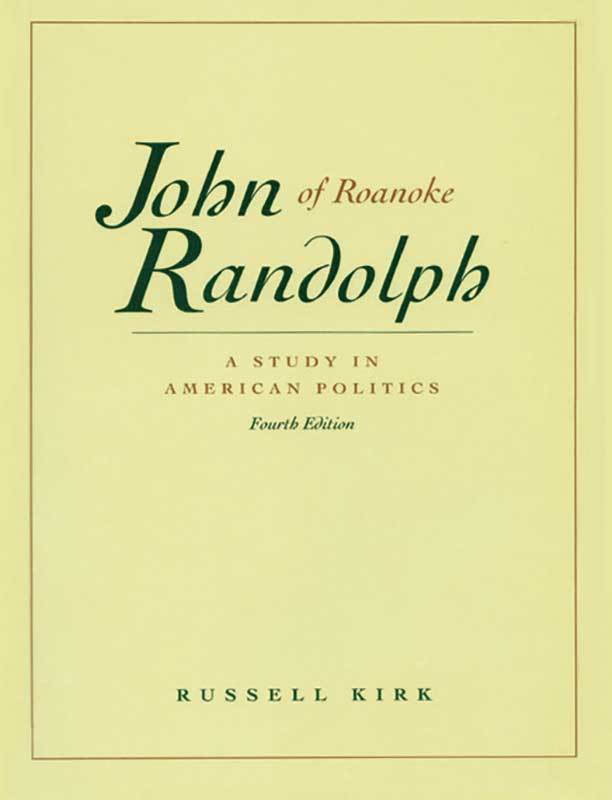
![KirkJohnRandolph 9780865971509 800h 72]()
John Randolph of Roanoke
by Russell Kirk
/ Learn MoreJohn Randolph of Roanoke is unique in American political history. For most of his public career Randolph was a leader of the opposition—to both Jeffersonians and Federalists. Only twenty-six when first elected to Congress in 1799, he readily became the most forceful figure at the Capitol. He was, writes Russell Kirk, “devoted to state rights, the agricultural interest, economy in…
-
![TuckerSelection 9780865979307[1]]()
Josiah Tucker: A Selection from His Economic and Political Writings
by Josiah Tucker
/ Learn MoreJosiah Tucker (1713–1799) was one of the foremost thinkers of eighteenth-century England in the fields of economics, international relations, political theory, and imperialism. He shared the opinion, prevalent in his day, that Great Britain was underpopulated and observed with regret the immigration to America, believing that the colonies brought Britain no benefits. He thought instead that colonies were too costly to…


![TuckerSelection 9780865979307[1]](https://about.libertyfund.org/wp-content/uploads/2021/09/TuckerSelection_97808659793071.jpg)
Promotions
Stayed tuned for future promotions!